ORDINARY MEN - RESERVE POLICE BATTALION 101 AND THE FINAL SOLUTION IN POLAND BY CHRISTOPHER BROWNING
Recommendation: 10/10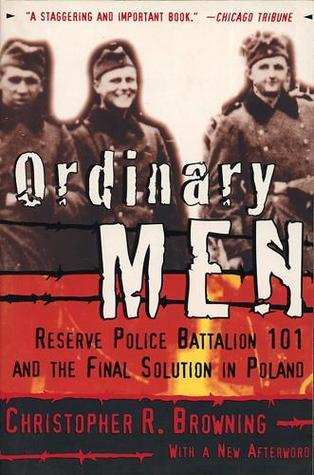
It was hard but everyone should read this. Browning discusses many factors that influenced a unit of average middle-aged Germans in becoming cold-blooded murderers of tens of thousands of Jews; obedience to authority, conformity, self justifications and dehumanisation among others. His point is that in certain situations ordinary men are capable of horrific acts that are unthinkable in other circumstances. Each man had a choice and is responsible for his actions, but it’s a chilling reflection on what ‘ordinary’ men are capable of.
ALIVE BY PIERS PAUL READ
Recommendation: 9/10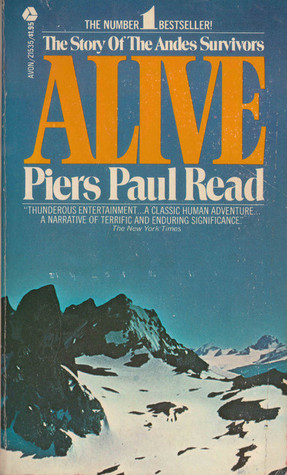
What a story. The famous 1972 case of a plane carrying the Uruguayan rugby team coming down in the Andes. The harsh experiences of the group and the choices they had to make in order to survive are superbly told. There’s camaraderie and cannibalism; zombie apocalypse tv shows have nothing on this.
HOW THE SCOTS INVENTED THE MODERN WORLD BY ARTHUR L. HERMAN
Recommendation: 8/10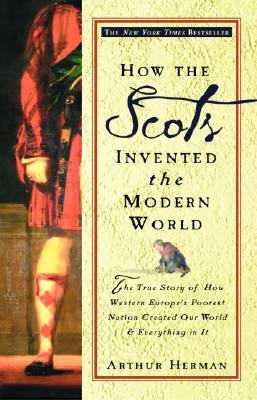
Scotland’s impact on philosophy, religion, history, science, technology and culture has been remarkable. This book charts the transformation of a poor nation to a shaper of the modern world.
ACCELERATE - BUILDING AND SCALING HIGH PERFORMING TECHNOLOGY ORGANISATIONS BY NICOLE FORSGREN, JEZ HUMBLE, GENE KIM
Recommendation: 7/10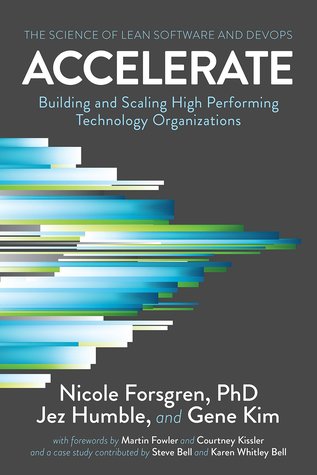
A spin-off from the State of DevOps surveys. This book presents the findings of their research in the form of capabilities that correlate to or predict performance in software organisations. A good high level overview of what will likely make your organisation better performing, but I found it a bit repetitive and the parts on how they carried out the survey were dull.
AGENT ZIGZAG BY BEN MACINTYRE
Recommendation: 9/10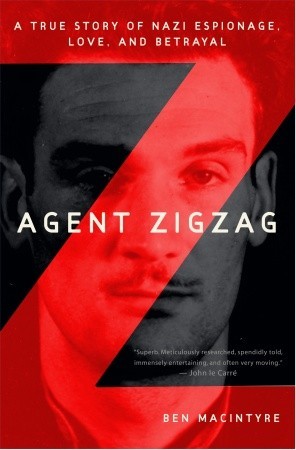
The true story of one of Britain’s most notorious double agents, Eddie Chapman. A smooth criminal, prisoner, agent of German Abwehr and finally a British double agent. The lines between all his roles blurred and espionage gave him the same rush as crime. He may have been the kind of man who would look you in the eye as he picked your pocket, but what’s clear is that he did Britain a great service at a great deal of personal risk. A colourful character and a story so wild that you couldn’t have made it up; as with Macintyre’s other books I enjoyed every minute of it.
WORKING BACKWARDS BY COLIN BRYAR AND BILL CARR
Recommendation: 7/10
Always interesting to get insider insight into the big successful companies. Colin and Bill were at Amazon practically from the start and had front row seats. I’d heard about a bunch of Amazon’s practices so it’s interesting to read the detail and what problems they solved for Amazon. Not a ground-breaking book on ways of working, but with enough insights and background to make it worth recommending.
RED NOTICE BY BILL BOWDER
Recommendation: 8/10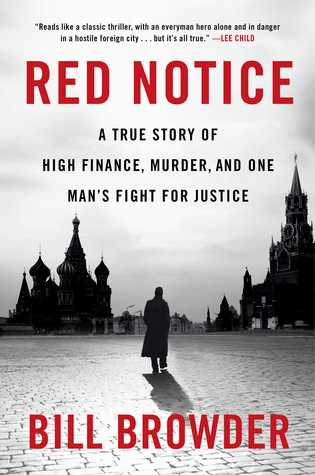
An incredible telling of greed and corruption in Russia on a massive scale, all the way to the top. Bower’s book reads like a thriller but the shocking fact is that it’s true. The bravery of the individuals in exposing this is admirable and it’s hard not to be moved by the resolve of Sergei Magnitsky and the ultimate price he paid; his life. What’s in this book needs to be known.
THE POWER BROKER BY ROBERT A. CARO
Recommendation: 7/10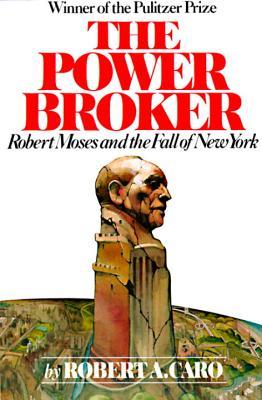
How the unelected Robert Moses built an empire of public authorities that gave him the power to defy Mayors, Governors and a President. The power to shape New York to his own will, which became the end unto itself. This book is a masterpiece; it speaks to Caro’s genius that pages and pages on politics, the passing of bills and construction can read ‘almost’ like a thriller. It’s heavy going but provides an outstanding insight into how Moses began to appreciate the need for power in order to get things done, and how that power corrupts.
THE PICTURE OF DORIAN GREY BY OSCAR WILDE
Recommendation: 3/10
This wasn’t for me. The first half was tedious. Rich 19th century men swanning about, bitching and fawning. It only starts to get interesting around the middle with Sibyl Vane’s suicide and Dorian’s callousness. The book seems to improve just as Dorian’s soul and painting deteriorates. Not enough for me to give this much of a recommendation though.
PALE FIRE BY VLADIMIR NABOKOV
Recommendation: 9/10
Extraordinary. The poet John Shade is dead. This book is a commentary on his last poem which has been edited and published by his friend(?), neighbour and fellow academic Charles Kinbote. Kinbote claims to be from a land called Zembla and progressively reveals more than he’d like. He weaves in a story of revolution and a King’s escape; he’s narcissistic, fantastical, but is he deranged? By the end you’re unsure what to believe. That’s the beauty of it; like an Escher painting as you get closer it doesn’t have a neat beginning and end. There are many layers and the genius of the writing frequently made me smile or laugh out loud; it’s funny, deadpan and descriptive in ingenious ways. An outstanding work.
THE FLAW OF AVERAGES BY SAM L. SAVAGE
Recommendation: 6/10
A book on assessing risk in the face of uncertainty, focussing as the title suggests on how not to assess it. The author is quirky and he makes up for the dryness of the subject by packing the chapters with examples and analogies; he’s funny (occasionally). I didn’t find anything drastically new but it was a good refresher; I took lots of notes.
BRAVE NEW WORLD BY ALDOUS HUXLEY
Recommendation: 7/10
A very different dystopia from the brutal totalitarianism of 1984. A civilisation where everything is stable and happiness is only a pill away. There’s little disease and hunger, pleasure is on tap yet there’s also no real intimacy. A ‘savage’ visits and learns that this world is empty and superficial. It’s an interesting future and despite feeling like the characters weren’t much developed it was a readable book. But I found it unsatisfying.
1984 BY GEORGE ORWELL
Recommendation: 8/10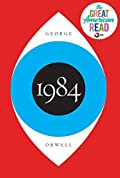
Winston is a functionary in a totalitarian state. He begins to rebel, and meets a girl, but finds that he’s no match for the system. As Orwell wrote this the Allies were battling Fascism, Stalinism was showing its true colours, and it looked like no matter the ideology all roads led to authoritarianism and consolidation of power (to the disillusionment of many communists). There’s a fairly dull patch around the middle, but it’s a powerful book and it became a fixture of popular culture, influencing many other dystopian visions.
CANDIDE AND OTHER STORIES BY VOLTAIRE
Recommendation: 9/10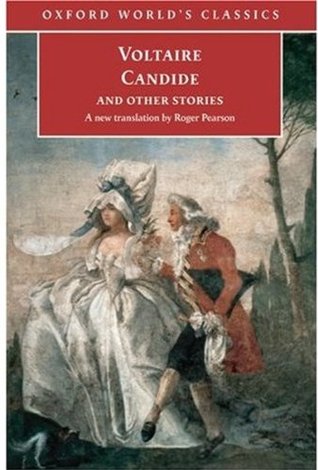
Candide is a philosophical tale with real events mixed in; a shocking and humorous satire on Voltaire’s times with problems that haven’t really gone away; greed, exploitation, corruption, debauchery and violence. Voltaire challenges the beliefs of Leibnitzian optimism and determinism, religion and the many churches of the time.
MAKING WORK VISIBLE BY DOMENICA DEGRANDIS
Recommendation: 7.5/10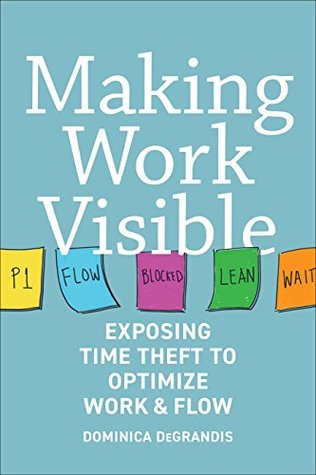
Accessible guide to making work visible; exposing time thieves and using Kanban practices to improve flow. So easy to read it’s great as a refresher for practitioners and a strong entry point for pretty much everyone else.
AGENT SONYA - LOVER, MOTHER, SOLDIER, SPY BY BEN MACINTYRE
Recommendation: 9/10
The remarkable life of Ursula Kuczynski. German Jewish communist, mother, radio technician, writer, spy and spymaster. Carrying out covert activities through the horrors of Nazism; in Japanese occupied China, spy ridden Switzerland and in the rolling hills of the Cotswolds. The engrossing life story of an idealistic (albeit ultimately misguided), determined and very tough woman. Recommended.
INTO THIN AIR BY JON KRAKAUER
Recommendation: 7/10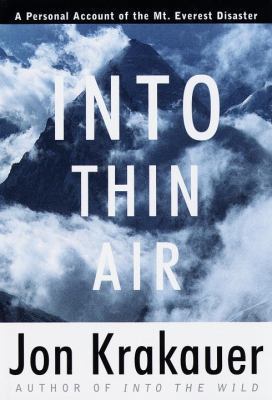
This is an account of the 1996 Everest disaster by a journalist who was with one of the groups. Eight climbers lost their lives; the author attempts to get to the heart of what happened up there. It’s rarely a single mistake that creates these events. In this case we learn about the commercialisation of Everest, the danger of inexperienced climbers paying to be taken up, the competition between tour groups and the myriad of human errors that happen when the brain is starved of oxygen. As fascinating as the subject is, the book is brilliantly written, with an engaging build up and a pace that keeps the page turning. This one went quickly.
HARD BOILED WONDERLAND AND THE END OF THE WORLD BY HARUKI MURAKAMI
Recommendation: 4/10
This book delivers on a number of things you’d expect from Murakami; it’s surreal, has tonnes of references to 60/70/80s pop culture, plus detailed descriptions of cooking and characters getting on with life. There’s a lot to like, including a parallel story connected to the main narrative which felt similar to a Kafka novel. Alas, the sci-fi dystopian bent didn’t do anything for me. Talk about Semiotecs, shuffling and brain connections (etc.) I found more silly than surreal. It got pretty tedious. Ok but not one of his best books.
THE WOMAN IN THE DUNES BY KOBO ABE
Recommendation: 7/10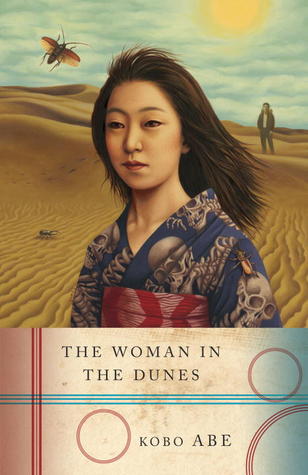
A man is held captive with a woman at the bottom of a vast sand pit in a seaside village. They must clear away sand every day in order to prevent the village being eaten up by the dunes. I can’t remember how I found this book; I enjoyed it though. The combination of bizarre situation and detailed descriptions has something almost Kafkaesque to it. He collects insects and now he’s trapped like an insect.
TOUCHING THE VOID BY JOE SIMPSON
Recommendation: 7/10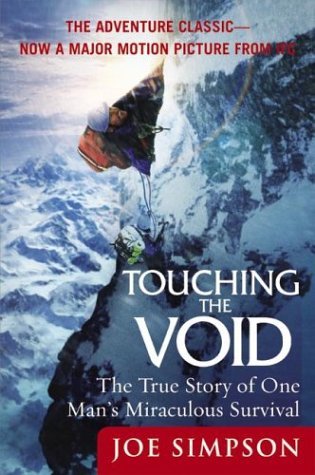
Take heart from the fact that no matter what life throws at you, you’ll never have it worse than being stuck halfway up a mountain alone, with your knee smashed to pieces.
The two climbers in this book took a stupid risk and nearly paid the ultimate price. What they went through though makes for one hell of a survival story. The first third of the book is boring for someone who doesn’t climb as it takes us on their ascent. Once Joe breaks his leg things suddenly get very tense, ramping up each time the situation gets more desperate. The emotions he goes through, the guilt of Simon who cut Joe loose, the ebb and flow of determination and hopelessness that got him to camp. It’s powerful stuff.
MEN WITHOUT WOMEN BY HARUKI MURAKAMI
Recommendation: 5/10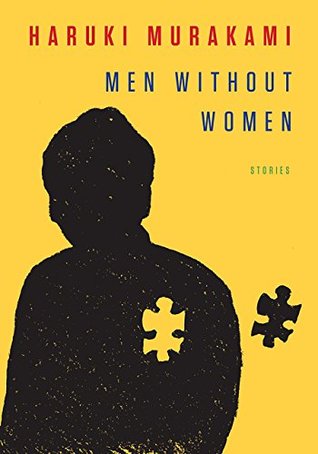
These short stories are an exploration 7 men’s relationships with women; a thread of sadness and loneliness running through them. I enjoy Muarkami’s writing style and this book was no exception. It’s not one of my favorites and I wouldn’t recommend it to anyone looking for his best work, but for the most part I did find the stories interesting and unexpected.
SIX THINKING HATS BY EDWARD DE BONO
Recommendation: 8/10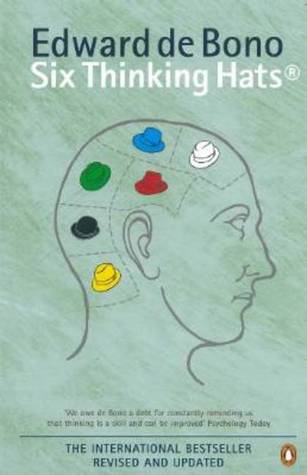
This is a simple method for approaching decisions that forces everyone to look from different angles, one at a time. The concept is great and I’d highly recommend this book as a way to raise awareness of the different ways of looking at problems. The book is short and it could be shorter. In practice the approach can seem infantilising, although I’m sure as de Bono claims, for some groups the method has worked wonders. For me the value is in its use on a personal level; noticing the different perspectives and using them…without annoying everyone by talking about hats.
THE BURIED GIANT BY KAZUO ISHIGURO
Recommendation: 6.5/10
This novel is a tender fable about old age, marriage and past lives. In ancient Britain an elderly couple set off on a journey to find their son and on the way encounter a warrior, a knight and the source of their fading memory. I enjoyed the book; it’s original and I found it sad, sweet and memorable.
THE FIRST 90 DAYS BY MICHAEL WATKINS
Recommendation: 9/10
Essential reading if you’re about to start a new job in a leadership role; whether you’ve been promoted or joined a new company. The book is well structured and provides clear strategies for approaching the new challenge and setting yourself up for success. Every time I change roles, I re-read this book.
DON'T GO THERE BY SVETLANA OSS
Recommendation: 5/10
In 1959 nine university students were found dead in the Russian Ural mountains in mysterious circumstances. They had been on a mountaineering trip; their tent was ripped open and the bodies were found not far. Nobody knows with certainty what happened, at least not anyone who’s willing to come forward with the details. This is what’s known as “The Dyatlov Pass Incident”. Svetlana introduces us to the students, outlining their steps and the details of the macabre discovery; along the way photos and excerpts from journal entries bring this to life. We get a critique of various theories; was it an avalanche, military test, espionage, a UFO (meteor or celestial body) or an act of local tribes? Eventually this concludes with a rationale of the most likely explanation. I found the book engaging and although it’s made clear early on that there isn’t a definitive answer I was satisfied by the end that the author’s conclusion has firm grounding.
UNLIMITED MEMORY BY KEVIN HORSLEY
Recommendation: 4/10
Some powerful strategies for memorisation and recall. Quite a bit is overly explained; the techniques are simple (a good thing). I skimmed over fluff and pulled out what I thought could be useful. I have no need to remember long strings of numbers, but linking names and information to images and other associations is something I’ll use.
A GUIDE TO HAPPINESS - TEACHINGS OF EPICURUS
Recommendation: 8/10
Over 2000 years have passed since Epicurus wrote these teachings, yet they still provide great insight into how to live happily. The best are: “Nothing satisfies him for whom enough is too little”; “if you wish to make Pythocles rich, be not adding to do his money but subtracting from his desires” and “the greatest fruit of self-sufficiency is freedom”.
SO GOOD THEY CAN'T IGNORE YOU - BY CAL NEWPORT
Recommendation: 8/10
An alternative to the famous “follow your passion” advice. It’s well argued and I can relate personally. I’ve found work I’m passionate about, but as a student I’d not even heard of my industry. Following your passion sounds great, but that assumes you know your passion, and that following it will provide you with a successful and meaningful career (there are examples in the book to illustrate how it can lead you astray). For me the work, skills and purpose came over time. There are definitely exceptions (sports being one), but for many it’s great advice; get out there and start working to discover your passion and earn options to pursue it. One of the best career advice books I’ve read.
EXTREME OWNERSHIP - BY JOCKO WILLINK AND LEIF BABIN
Recommendation: 9/10
I really like the concept of Extreme Ownership; a leader owns everything in their world, “there is no-one else to blame”. It’s written by two ex U.S. Navy SEAL officers who served in Iraq. Each leadership principle is given along with examples from their time in combat, as well as what they’ve seen whilst consulting in industry. All the principles in the book are important, however some of the chapters are better than others; in terms of the combat story, principle and business story pattern each follows. In particular “no bad teams, only bad leaders” was standout for me. It’s definitely something I’ll use and recommend to others. To borrow a line from the book, what’s in there is simple, but it isn’t easy. A must read for leaders of any rank.
FOREVER EMPLOYABLE - BY JEFF GOTHELF
Recommendation: 6/10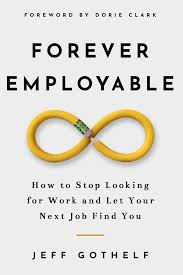
I like the way Jeff takes us through his personal epiphany that led to the central idea of this book; to become a well known expert in a particular niche and have employers seek you out. The message is good but you really could get the key points across in an article (it’s a very short book as it is). Useful enough to recommend though.
OPERATION MINCEMEAT - BY BEN MACINTYRE
Recommendation: 9/10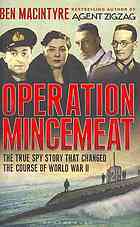
Fascinating account of one of the strangest and most daring deceptions of the Second World War. The details and pace are such that it’s hard to put down. Little wonder so many within intelligence at the time, such as Ian Fleming, were or became novelists. Fiction inspired real life which went on to inspire fiction. As the author states, we’ll never really know the extent to which Mincemeat helped the invasion of Sicily over other deception activities going on (such as the fake army build ups, activities in Greece etc). But if it wasn’t the key element, it played a big role. An important story to tell, and well told.
ANTIFRAGILE - BY NASSIM TALEB
Recommendation: 10/10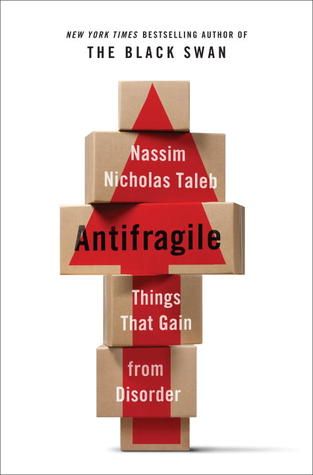
Taleb’s style is rough around the edges. That’s what’s so refreshing about him and his work. We need outsiders; challenging the status quo, providing different perspectives and calling out bullshit. Antifragile takes us across disciplines to look at what’s causing fragility in our systems and economies, why and how we can resolve them using the concept of antifragility.
FORTY STORIES - BY ANTON CHEKHOV
Recommendation: 8/10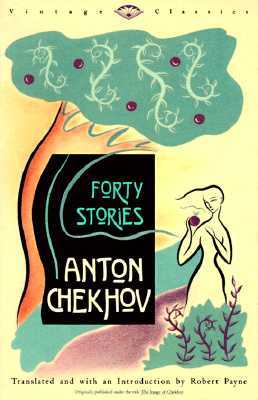
A brilliant collection; Chekhov is master of the short story. In a few pages, he can bring you closer to a character than many authors can over the course of a novel. These stories add up to a vivid picture of 19th century Russia with a patchwork of characters spanning classes. Kindness, innocence, guilt, miserliness and cruelty are all on display in sometimes surprising and somewhat shocking situations. Personally I found The Little Apples, The Ninny, The Huntsman, The Malefactor, The Peasant Women, After the Theatre, The Lady with the Pet Dog and The Bride to be the most interesting.
THE SPY AND THE TRAITOR - BY BEN MACINTYRE
Recommendation: 9/10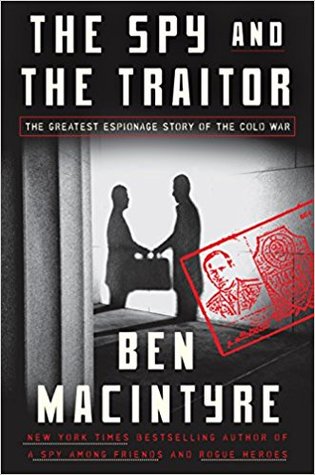
A gripping true spy thriller. This is the perfect combination: an incredible story, well written. I couldn’t put this down. Gordievsky harboured a huge secret, for a long time, and right under his enemies noses. The Soviet Union’s top man, a mole? If you made this up, people would tell you it’s far fetched. Who needs fiction when there are these stories to be told.
TEAM TOPOLOGIES - BY MATTHEW SKELTON AND MANUEL PAIS
Recommendation: 7.5/10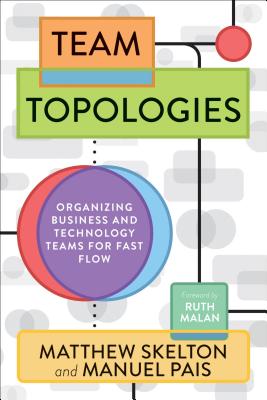
The authors have pulled together a lot of wisdom to create some simple, easy to use patterns for team design. It provides many examples, diagrams and case studies which makes them “real”. The central points are simple (that’s the point), so the book could be a lot shorter but I’d certainly recommend it to anyone setting up teams and I’m sure I’ll refer back to it.
ENDURANCE - SHACKLETON'S INCREDIBLE VOYAGE BY ALFRED LANSING
Recommendation: 9/10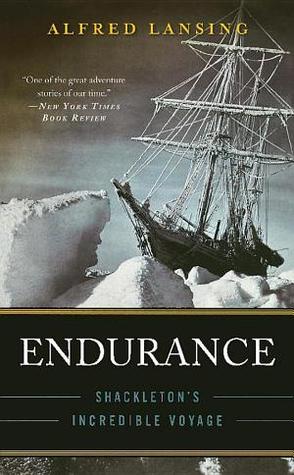
The most exhilarating and inspiring true account of leadership that you’ll find. Endurance is so well written that the whole book had me on the edge of my seat. The story that unfolds is one of a leader able to hold his nerve whilst maintaining a group together in some of the most challenging conditions on the planet. Shackleton sets a fantastic example for leaders to follow: staying attuned to his men’s moods, knowing their strengths, weaknesses and making decisions accordingly. He set the example he wanted them to follow, led from the front and always had a clear objective. This helped keep them alive in what must have seemed an impossible situation. If you want to be entertained, inspired or to learn about leadership then this book is essential.