THE PICTURE OF DORIAN GREY BY OSCAR WILDE
Recommendation: 3/10 | Reviews on Amazon*
This wasn’t for me. The first half was tedious. Rich 19th century men swanning about, bitching and fawning. It only starts to get interesting around the middle with Sibyl Vane’s suicide and Dorian’s callousness. The book seems to improve just as Dorian’s soul and painting deteriorates. Not enough for me to give this much of a recommendation though.
PALE FIRE BY VLADIMIR NABOKOV
Recommendation: 9/10 | Reviews on Amazon*
Extraordinary. The poet John Shade is dead. This book is a commentary on his last poem which has been edited and published by his friend(?), neighbour and fellow academic Charles Kinbote. Kinbote claims to be from a land called Zembla and progressively reveals more than he’d like. He weaves in a story of revolution and a King’s escape; he’s narcissistic, fantastical, but is he deranged? By the end you’re unsure what to believe. That’s the beauty of it; like an Escher painting as you get closer it doesn’t have a neat beginning and end. There are many layers and the genius of the writing frequently made me smile or laugh out loud; it’s funny, deadpan and descriptive in ingenious ways. An outstanding work.
BRAVE NEW WORLD BY ALDOUS HUXLEY
Recommendation: 7/10 | Reviews on Amazon*
A very different dystopia from the brutal totalitarianism of 1984. A civilisation where everything is stable and happiness is only a pill away. There’s little disease and hunger, pleasure is on tap yet there’s also no real intimacy. A ‘savage’ visits and learns that this world is empty and superficial. It’s an interesting future and despite feeling like the characters weren’t much developed it was a readable book. But I found it unsatisfying.
1984 BY GEORGE ORWELL
Recommendation: 8/10 | Reviews on Amazon*
Winston is a functionary in a totalitarian state. He begins to rebel, and meets a girl, but finds that he’s no match for the system. As Orwell wrote this the Allies were battling Fascism, Stalinism was showing its true colours, and it looked like no matter the ideology all roads led to authoritarianism and consolidation of power (to the disillusionment of many communists). There’s a fairly dull patch around the middle, but it’s a powerful book and it became a fixture of popular culture, influencing many other dystopian visions.
CANDIDE AND OTHER STORIES BY VOLTAIRE
Recommendation: 9/10 | Reviews on Amazon*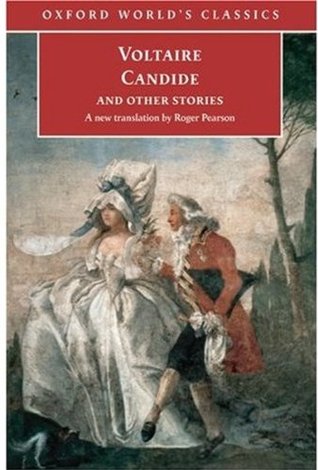
Candide is a philosophical tale with real events mixed in; a shocking and humorous satire on Voltaire’s times with problems that haven’t really gone away; greed, exploitation, corruption, debauchery and violence. Voltaire challenges the beliefs of Leibnitzian optimism and determinism, religion and the many churches of the time.
HARD BOILED WONDERLAND AND THE END OF THE WORLD BY HARUKI MURAKAMI
Recommendation: 4/10 | Reviews on Amazon*
This book delivers on a number of things you’d expect from Murakami; it’s surreal, has tonnes of references to 60/70/80s pop culture, plus detailed descriptions of cooking and characters getting on with life. There’s a lot to like, including a parallel story connected to the main narrative which felt similar to a Kafka novel. Alas, the sci-fi dystopian bent didn’t do anything for me. Talk about Semiotecs, shuffling and brain connections (etc.) I found more silly than surreal. It got pretty tedious. Ok but not one of his best books.
THE WOMAN IN THE DUNES BY KOBO ABE
Recommendation: 7/10 | Reviews on Amazon*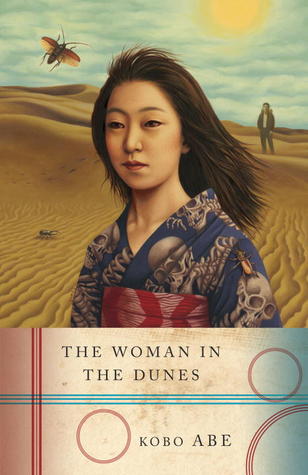
A man is held captive with a woman at the bottom of a vast sand pit in a seaside village. They must clear away sand every day in order to prevent the village being eaten up by the dunes. I can’t remember how I found this book; I enjoyed it though. The combination of bizarre situation and detailed descriptions has something almost Kafkaesque to it. He collects insects and now he’s trapped like an insect.
MEN WITHOUT WOMEN BY HARUKI MURAKAMI
Recommendation: 5/10 | Reviews on Amazon*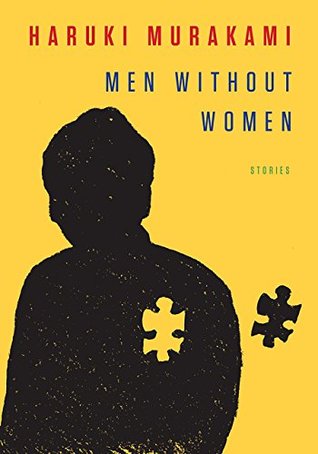
These short stories are an exploration 7 men’s relationships with women; a thread of sadness and loneliness running through them. I enjoy Muarkami’s writing style and this book was no exception. It’s not one of my favorites and I wouldn’t recommend it to anyone looking for his best work, but for the most part I did find the stories interesting and unexpected.
THE BURIED GIANT BY KAZUO ISHIGURO
Recommendation: 6.5/10 | Reviews on Amazon*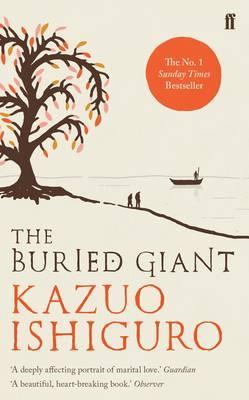
This novel is a tender fable about old age, marriage and past lives. In ancient Britain an elderly couple set off on a journey to find their son and on the way encounter a warrior, a knight and the source of their fading memory. I enjoyed the book; it’s original and I found it sad, sweet and memorable.
FORTY STORIES - BY ANTON CHEKHOV
Recommendation: 8/10 | Reviews on Amazon*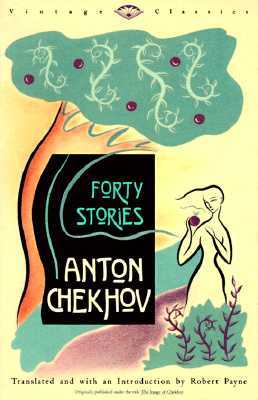
A brilliant collection; Chekhov is master of the short story. In a few pages, he can bring you closer to a character than many authors can over the course of a novel. These stories add up to a vivid picture of 19th century Russia with a patchwork of characters spanning classes. Kindness, innocence, guilt, miserliness and cruelty are all on display in sometimes surprising and somewhat shocking situations. Personally I found The Little Apples, The Ninny, The Huntsman, The Malefactor, The Peasant Women, After the Theatre, The Lady with the Pet Dog and The Bride to be the most interesting.